We're here for you. Any time. Any reason
-
Call Us
-

Email Us
-

Chat Us
Bullying
If you're being bullied, or know someone who is, there are lots of things you can say and do to make the bullying stop and to cope.
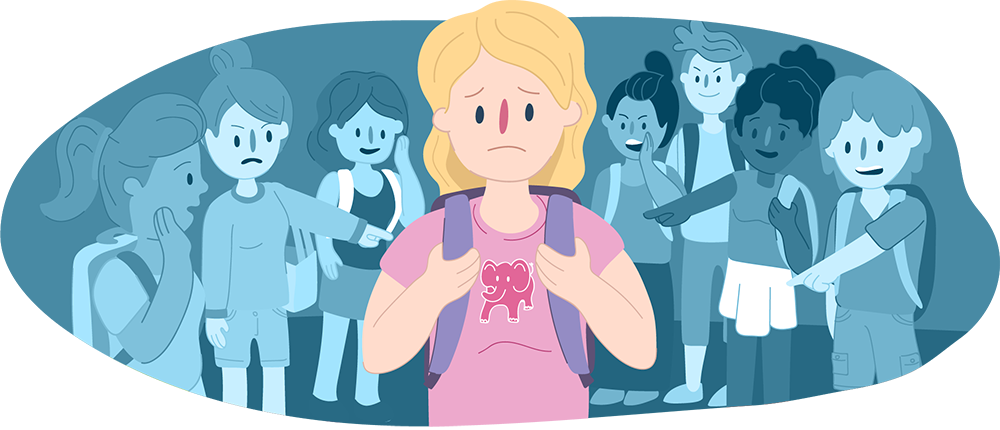
What is bullying?
Sometimes, people get confused about what is and isn’t bullying.
People can think that someone saying something they don’t like is bullying – but it’s not. Bullying is different from conflict or unkindness.
Bullying behaviours:
•Are aggressive, unkind or mean behaviours
•Are repeated behaviours (it must happen multiple times, in an ongoing way to be defined as bullying)
•Happen on purpose
Bullying is not the same as
•Being rude – saying or doing something hurtful that wasn’t planned or meant to hurt someone, e.g. someone pushing in front of you in the canteen line
•Being mean – doing something hurtful to someone on purpose once or twice, e.g. a friend refusing to play with you one day
•Conflict – having a disagreement with a friend, e.g. two friends getting into an argument and saying mean things to each otherevery time they talk about sport.”
•A friend putting in a ‘boundary’ e.g. “I don't like it when you keep telling me what to do.”
•Natural consequences in socializing.
Types of bullying
Bullying can be direct (happening to your face) or indirect (happening 'behind your back'), and overt (very obvious and observable) or covert (subtle and hard to prove). There are a few different types of bullying, including:
Cyberbullying - stuff like mean texts, emails, posts, images or videos
Verbal bullying – using words to make you feel upset, angry, embarrassed, etc. E.g. teasing, name calling, yelling, etc.
Physical bullying – stuff that hurts or harms your body, e.g. kicking, tripping, hitting. Physical bullying can also include things like damaging your possessions
Social bullying – stuff done to hurt your reputation. It can be verbal, like spreading rumours or playing mean jokes, or non-verbal like pretending not to hear a person when they speak or leaving them out
I'm being bullied - what should I do?
These things can help stop bullying:
•Stay calm - don't react emotionally (people who bully usually want you to get angry or upset)
•Report it - tell trustworthy adults and keep talking to them until the bullying stops; reporting it helps keep people safe (and isn't the same as 'dobbing' which is about getting someone in trouble over nothing)
•Get support - bullying can affect your mental health and self-worth - having the support of family, friends, teachers and/or professionals can make a big difference
Bullying can be harmful for mental health.
You’re not alone – support is always available.
Bullying behaviour hurts everyone, including the people being bullied, those witnessing the bullying and those doing the bullying.
Bullying is not an individual or personal problem – which means it's not your fault if you’re being bullied. Bullying is a really complicated social problem – and it’s everyone’s’ responsibility to prevent and address bullying.
Family relationships
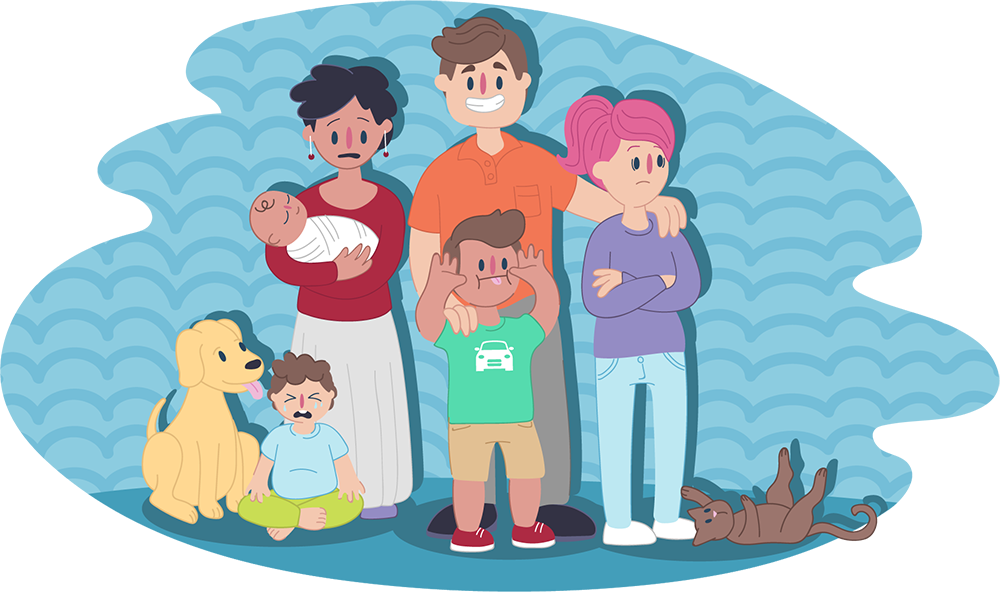
There is no right or wrong way to have a family.
Families can be made up of many different people and relationships.
You might think the ‘ideal family’ is one where everyone gets along and is loving, supportive and close. However in reality, that’s not always the case!
In every family are unique individuals with different needs, personalities, opinions and ways of doing things.
With so many different people interacting with one another, it’s common for this to create tension and lead to disagreements, especially when a family is faced with challenges or changes.
Supporting someone with schizophrenia
What is schizophrenia?
Schizophrenia is a severe mental disorder that alters a person’s thoughts, behaviours and experience of reality, and has a significant impact on their ability to function in everyday life.
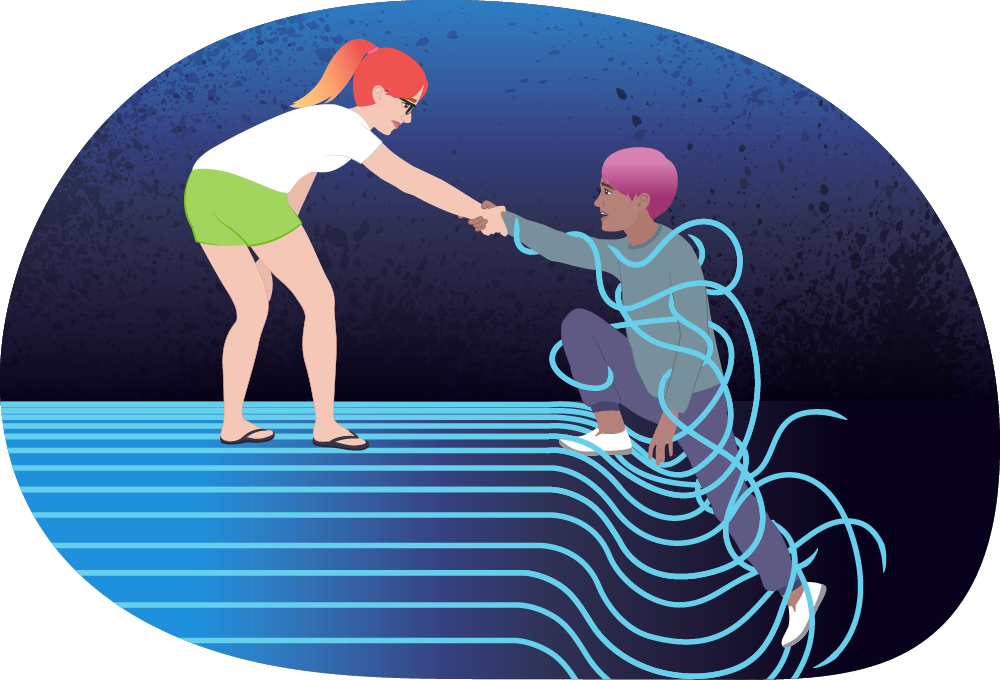
If your friend, family member or somebody you care about has schizophrenia, it can be confusing to know how or even if you can help them.
Let’s look at what schizophrenia is, and how you can support someone who has this condition.
What happens when someone has schizophrenia?
The main symptom of schizophrenia is ‘psychosis’, which alters a person’s experience of reality.
Psychosis includes:
- Delusions – a belief that conflicts with reality.
- Hallucinations – perceiving something not there.
- Disordered thoughts and speech – thoughts that struggle to form or come all at once, stopping mid-sentence, not making sense, etc.
- Disordered behaviour – strange actions or gestures, or showing inappropriate emotions in the wrong context.
- Catatonic behaviour – a condition in which there is a disconnect between thoughts and movements, like being unresponsive (frozen), copying others’ words or movements, or being unable to speak.
Some people with schizophrenia may also experience other symptoms, like reduced emotional expression (e.g. being ‘flat’), low motivation, memory or concentration difficulties, or loss of interest or pleasure in things they used to enjoy.
Your rights
What are rights and why do I need them?
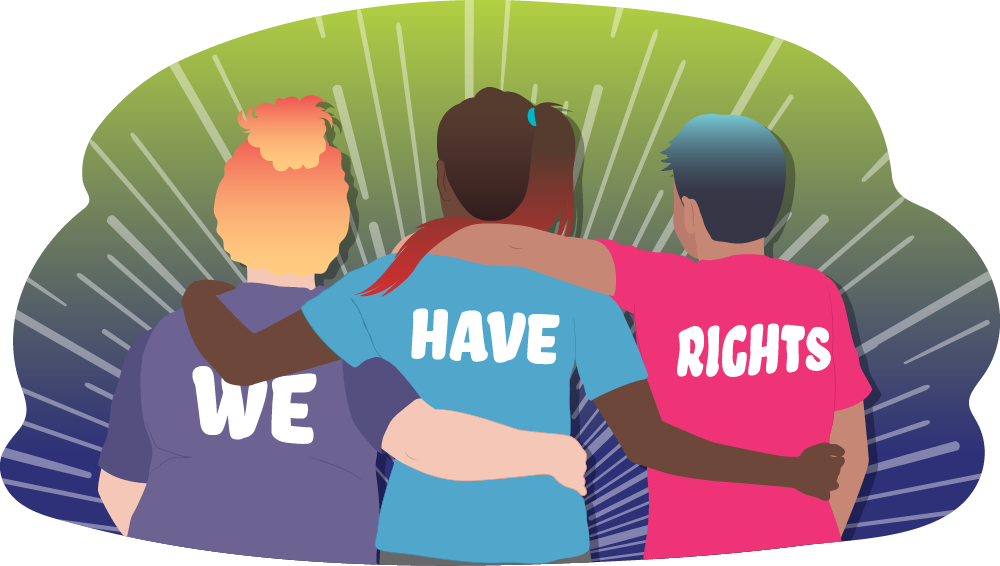
People need rights to be able to live a full life. Rights are universal, which means they belong to everyone, regardless of who you are, where you live, or how much money you have.
You have a right to be safe, healthy and happy.
Your specific rights include:
Safety and protection. This means having a safe place to live, and protection from being harmed by others.
Health. This includes safe drinking water, having enough to eat, having access to healthy and nutritious food and medical care.
Education. You have a right to go to school, access media like the news, and to be able to access and share information.
Privacy. The law protects your privacy so your information is safe.
Participation. You have a right to meet with other young people, or join groups and organisations. You also have a right to have a say and be heard.
Legal rights. You have a right to be treated fairly and access legal help if you break the law. You also have rights to be treated with respect and not experience discrimination.
To be who you are. Cultural and religious freedoms are protected by law.